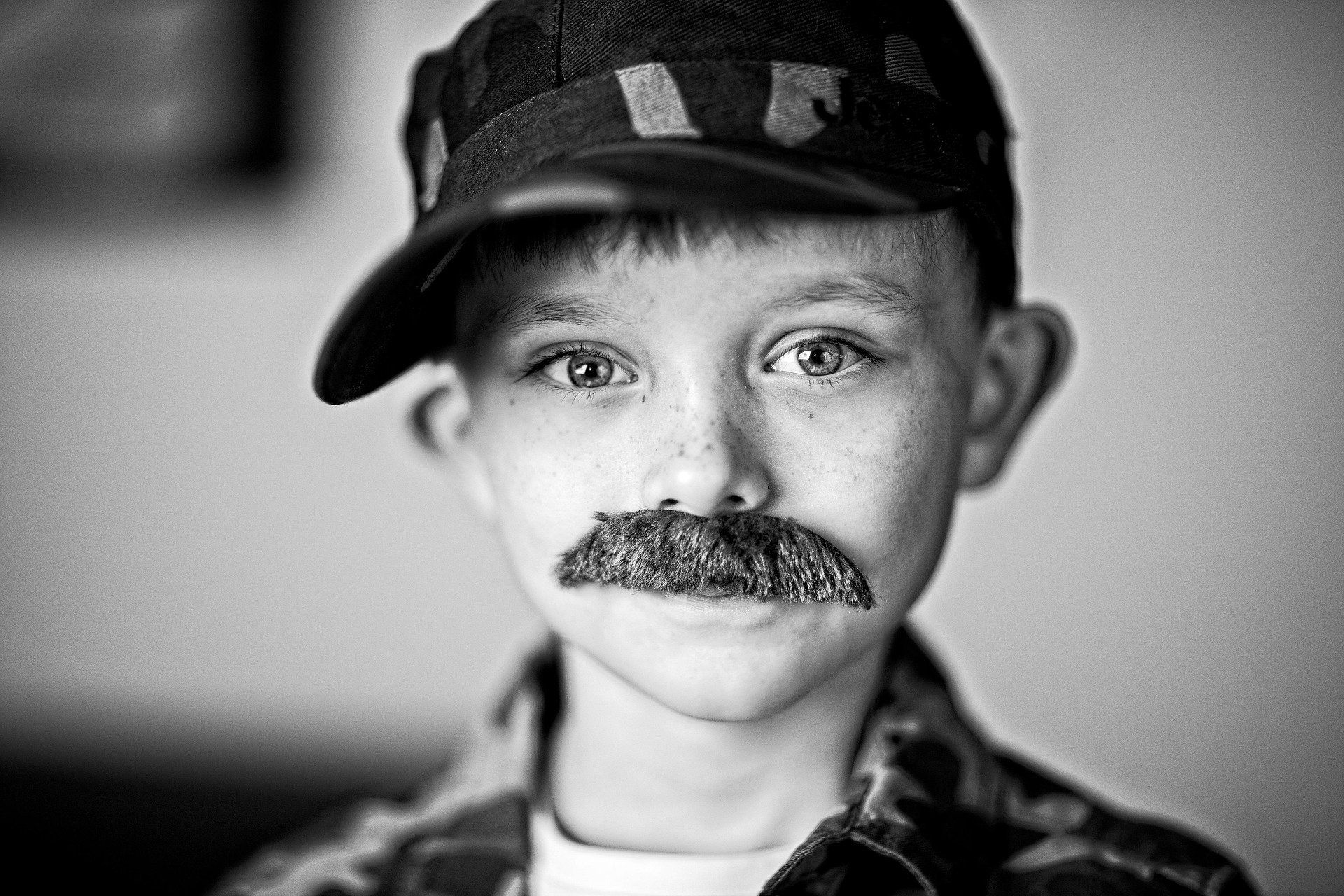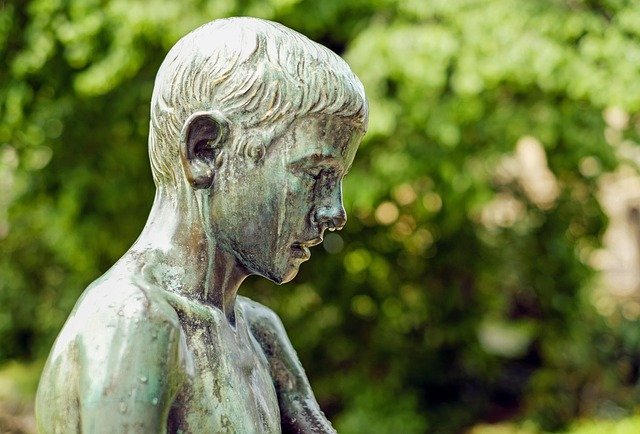
If something works for a child, it works for the adult, and that is where most people miss the true doorway into this work.
Because if you did not receive what you needed growing up, whether that was to feel heard, seen, emotionally safe, understood, encouraged, protected, or simply made to feel like your voice mattered, then this becomes your opportunity now, not to stay trapped in the past, but to release the emotional weight of still needing it in the present.
Most people spend their adult lives unconsciously searching for what they did not fully receive in childhood. Validation, safety, approval, love, acceptance, permission to exist fully as themselves. And because they are searching unconsciously, they often look for these things through achievement, relationships, money, status, attention, external success, people pleasing, perfectionism, or becoming who they believe they need to be in order to finally feel enough. But no matter how much is achieved externally, the internal feeling often remains, because the adult is usually trying to solve what the child within is still carrying.
That is why I believe inner child healing is often misunderstood, because this work is not really about fixing something broken. You were never broken. What happened is that you adapted, intelligently and subconsciously, in the only ways you knew how in order to survive the environment you were in.
The subconscious mind is not your enemy. Its deepest role is protection, and sometimes the way it protects us is through emotional shutdown, suppression, disconnection, avoidance, hyper-independence, people pleasing, perfectionism, or fragmentation. A child who repeatedly feels unheard may eventually stop expressing themselves altogether. A child who feels unsafe may become hyper-aware of everybody else’s emotions. A child who experiences rejection may learn to become who others need them to be in order to feel loved. A child who experiences shame may begin hiding parts of themselves away from the world, and eventually even from themselves. These patterns are not flaws nearly as much as they are survival adaptations.
The difficult part is that many of these adaptations work incredibly well for a period of time, until they don’t. Until the people pleaser no longer knows who they really are. Until the strong one becomes exhausted from carrying everything alone. Until the successful person realises they built a life that looks good externally but still feels empty internally. Until survival itself becomes the thing preventing aliveness.
And this is why I believe this is some of the deepest and most important work a human being can ever do, because ultimately it is the journey back home to yourself. The journey of reclaiming the parts of yourself you left behind. The parts of yourself that felt shame, pain, rejection, abandonment, loneliness, fear. The parts of yourself that believed you were not enough, that something was wrong with you, or that what happened to you somehow happened because you deserved it.
So much of this journey is learning to bring those hidden parts of yourself back into the light. The parts that were pushed down into the darkness of the unconscious mind in order to protect you from re-experiencing the emotional pain that version of you once carried. And while the subconscious does this out of protection, what often happens is that we spend years disconnected from pieces of ourselves without even realising it.
But when those parts are finally seen, heard, acknowledged, accepted, and loved, something begins to soften internally. You stop fighting yourself. You stop abandoning yourself. You stop trying to outrun your own pain through distraction, achievement, addiction, validation, or performance.
You begin becoming whole again.
And perhaps that is what healing truly is, not becoming someone new, but reconnecting with who you always were beneath the conditioning, beneath the coping mechanisms, beneath the emotional armour you built to survive.
Because inner child healing is not about shouting at yourself for reacting emotionally, shutting down, overthinking, people pleasing, or struggling to regulate your emotions. It is about learning to meet yourself differently. More softly. More consciously. More compassionately.
It is about learning to sit with the inner child within you when it feels afraid, hurt, overwhelmed, emotional, reactive, or dysregulated, not condemning it for “playing up,” but instead giving it the space and grace to finally be heard.
To ask yourself in those moments, “What do you need from me right now?”
Safety? Reassurance? Presence? Compassion? Rest? Permission to feel?
And then learning to provide that for yourself.
Because the truth is, many people are still waiting for somebody else to give them what they have the capacity to begin giving themselves now.
And when you begin doing that consistently, when you stop abandoning yourself in your hardest moments and start becoming your own safe place, your own support system, your own source of grounding and love, your relationship with yourself begins to change.
And when your relationship with yourself changes, everything changes.
Honestly, I believe that is one of the most important journeys a human being can ever take.
If something in this resonated with you, comment MENTORSHIFT or send me a message and let’s talk.
Kaine.
https://www.kainestromberg.com/
#InnerChildHealing #MentorShift #EmotionalIntelligence #HumanDevelopment